SaaS Cold Outreach Playbook
Master modern SaaS cold outreach in 2026 with reliable deliverability setups, signal-driven lead workflows, and AI personalization strategies.
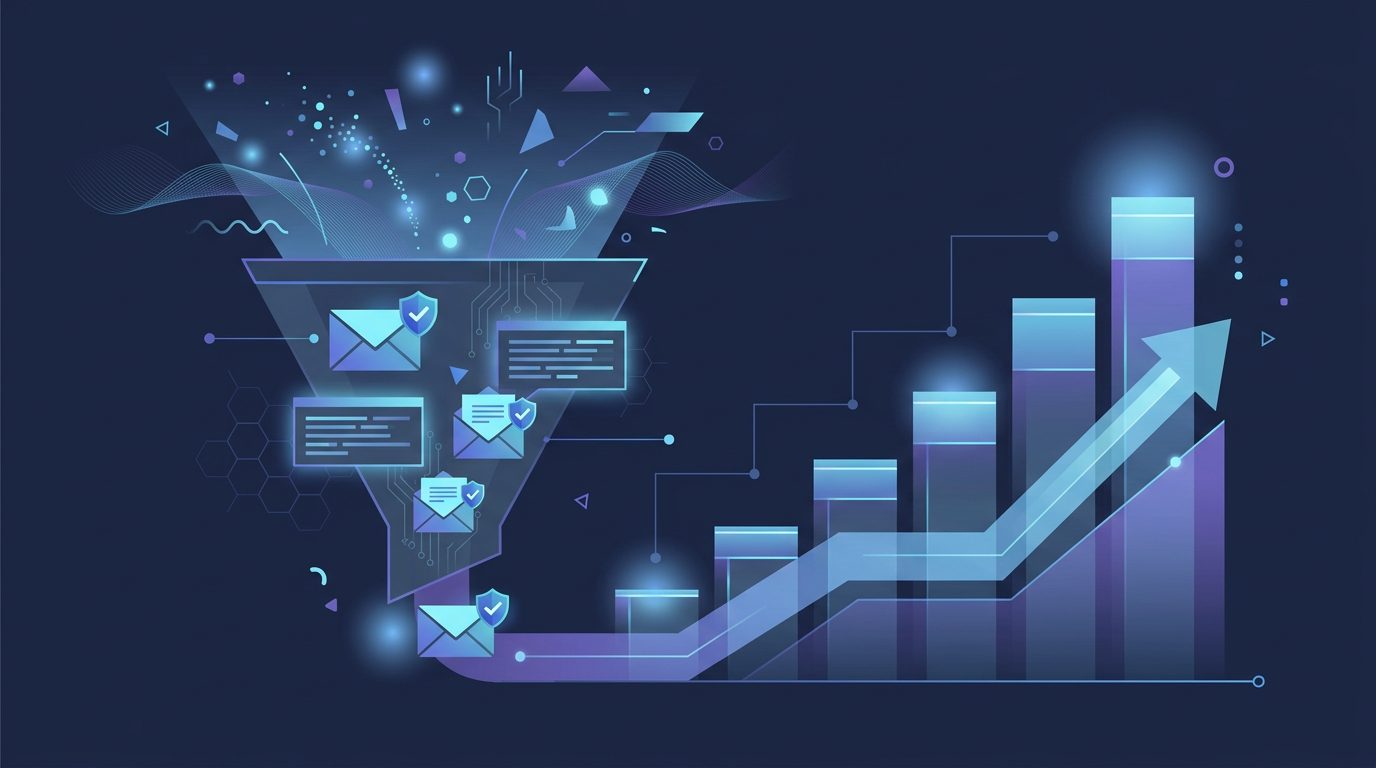
Cold email in 2026 is no longer a high-volume numbers game; it is an infrastructure and intent game. Mailbox providers like Google Workspace and Microsoft 365 now enforce strict domain reputation thresholds that automatically route generic, unverified spam straight to spam folders. To generate predictable pipeline today, B2B SaaS teams must blend warm deliverability setups, real-time intent signals, and contextual AI synthesis.
1. Constructing a Resilient Deliverability Infrastructure
Sending outbound sequences from your primary corporate domain is the fastest way to ruin your transactional and marketing email delivery. Modern outbound architecture requires dedicated secondary sending domains that isolate risk while mimicking real corporate activity.
Start by registering two to three secondary domains similar to your main domain (e.g., getcompany.com or companyapp.com). Distribute your daily volume across multiple workspace accounts and secondary domains to keep individual mailbox volume low—ideally under 30 to 45 emails per day per inbox.
Authentication Protocols
Every sending domain must have strict DNS record configurations verified before sending a single prospect message:
- SPF (Sender Policy Framework): Defines which IP addresses are authorized to send email on behalf of your domain.
- DKIM (DomainKeys Identified Mail): Adds a cryptographic signature to every email, confirming the content was not altered in transit.
- DMARC (Domain-based Message Authentication, Reporting, and Conformance): Sets policy for handling unauthenticated messages (p=none during setup, moving quickly to p=quarantine or p=reject).
- Custom Tracking Domains: Replaces default platform tracking links with a custom CNAME aligned with your domain to prevent link-based spam filtering.
Warmup and Reputation Management
Tools like Instantly, Smartlead, or Warmup Inbox automate domain warming by exchanging peer-to-peer messages with positive engagement signals (starring, moving out of spam, and opening replies). Run new domains through automated warmup for at least 14 to 21 days before initiating cold campaigns, and keep warmup running continuously in the background at a baseline rate of 10–15 messages daily.
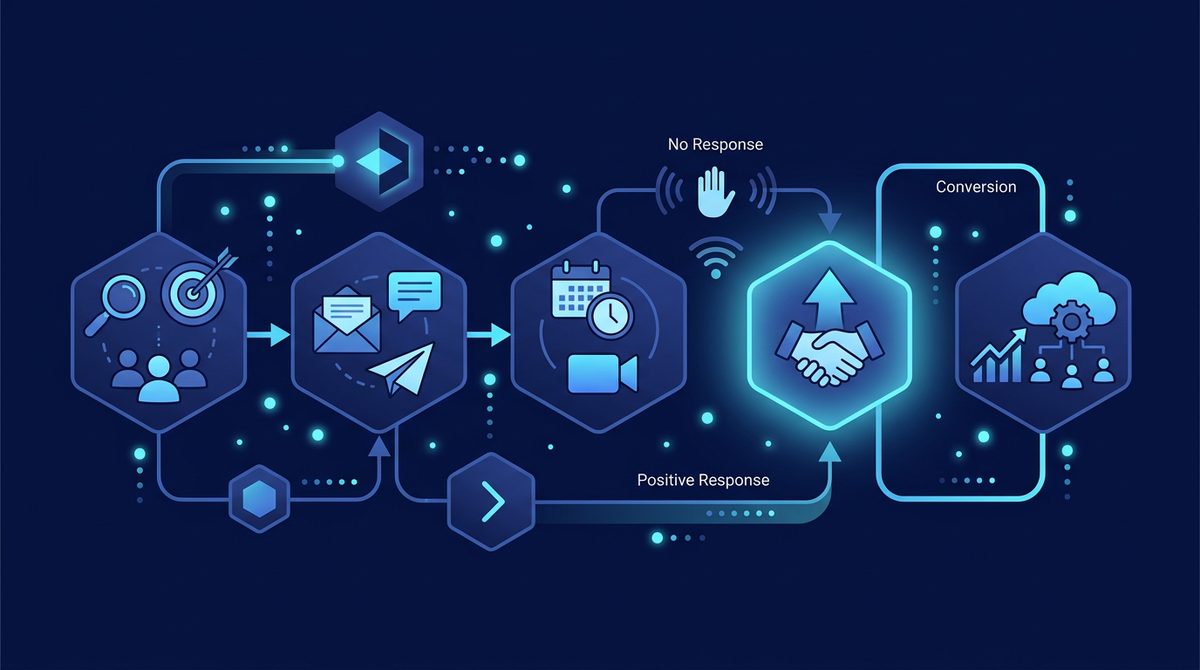
2. Transitioning from Static Lists to Signal-Based Targeting
Scraping static lists based purely on Job Title and Company Size yields low open rates and high bounce counts. High-performing growth teams target accounts based on dynamic trigger events or outbound signals that indicate immediate need.
| Signal Type | Data Source / Tool | Outbound Angle |
|---|---|---|
| Technographic Changes | BuiltWith, Wappalyzer, Storelead | Reach out when a prospect drops a competitor tool or installs an complementary SDK. |
| Job Board Posting | Clay, Keyplay, LinkedIn Sales Nav | Target founders hiring for roles your software replaces or augments. |
| Funding Events | Crunchbase, PitchBook | Engage decision-makers spending fresh budget on team expansion or scaling infrastructure. |
| Content & Web Intent | RB2B, Bombora, Koala | Identify target accounts currently browsing specific high-intent topics or your pricing page. |
Note: Pricing and plan limits for data platforms fluctuate based on credits and API consumption. Please verify current pricing directly on vendor websites.
3. Deep Personalization at Scale using AI Workflows
Basic mail merge tags like {{FirstName}} and {{CompanyName}} no longer cut it. Modern SaaS buyers recognize surface-level personalization instantly. Instead, use orchestration tools like Clay or Custom GPT pipelines to scrape web data, process unstructured information, and write targeted email copy.
Building an Automated Signal Enrichment Pipeline
A typical high-converting enrichment flow combines web scraping, data waterfall verification, and AI text synthesis:
- Capture Trigger: Pull target contacts dynamically when a company posts a job listing containing specific keywords (e.g., "head of customer success").
- Waterfall Enrichment: Route the contact through verification services like Findymail, Dropcontact, or Prospeo to retrieve a validated email address.
- Web Scraping: Fetch the latest earnings report summary, podcast transcript, or recent LinkedIn post from the target executive.
- LLM Prompting: Pass the scraped unstructured context into an LLM (such as GPT-4o or Claude 3.5 Sonnet) with strict rules: generate a 1-sentence hook referencing the prompt without using fluff phrases like "I noticed" or "Congrats on."
4. Cold Email Copywriting: The 2026 Framework
Prospects check their inbox on mobile devices between meetings. Long-winded pitches detailing feature roadmaps get archived immediately. Modern cold emails should target 50 to 80 words, maintain a soft Call to Action (CTA), and focus entirely on the prospect's immediate pain point.
Subject: workflow issue on {{Company}} signup?
Hi {{FirstName}},
Noticed {{Company}} is scaling the {{Department}} team based on your latest job posting for {{JobTitle}}.
When engineering teams expand at this pace, manual QA testing often creates release bottlenecks that slow down sprint shipping dates.
We built an automated suite that cuts end-to-end testing cycles from 4 hours down to 12 minutes for similar stack setups.
Worth exploring how this integrates into your current CI/CD pipeline?
This structure works because it highlights a real operational trigger, states a tangible metric-driven benefit, and asks a frictionless question focused on curiosity rather than demanding a 30-minute calendar booking.
5. Case Study: How a Developer SaaS Scaled Outbound Pipeline
A B2B developer tool SaaS targeting VP of Engineering roles was struggling with a 0.8% meeting booked rate using traditional cold outreach lists. Their primary domain deliverability dropped after sending 500 emails per day through a single Google Workspace account.
The Strategy Overhaul
The team overhauled their cold outreach stack over a 30-day period using three distinct shifts:
- Infrastructure: Purchased 4 secondary domains across Google Workspace and Microsoft 365, warming 12 total inboxes capped at 30 cold sends each per day (360 total daily sends max).
- Trigger Identification: Set up continuous data pipelines in Clay to monitor GitHub repo activity and active engineering job boards rather than buying fixed contact lists.
- Tailored Hooks: Used Claude to analyze public engineering blog posts from prospect tech companies, pulling exact references to technical debt challenges into the opening hook.
The Results
Without increasing their overall send volume, the revised outbound setup produced dramatic improvements over the subsequent quarter:
- Email Deliverability: Domain inbox placement increased from 62% to 98.4%.
- Reply Rates: Positive response rates rose from 1.2% to 7.8%.
- Pipeline Generation: Booked qualified demos grew from 4 per month to 27 per month, reducing their CAC by 42%.
Key Takeaways for SaaS Outbound Growth
Building a successful cold outreach machine requires treating delivery infrastructure, signal monitoring, and automated copywriting as connected systems. Isolate domain risk, target buyers showing active need signals, and deliver ultra-concise messages that respect your prospect's time.
Looking for the right tech stack to power your outbound, domain delivery, and lead enrichment pipelines? Discover and compare top sales engagement, data enrichment, and email warm-up platforms on SaaSafi.
Related reading on SaaSafi
- #saas cold outreach
- #cold email
- #b2b sales
- #outbound growth
Frequently asked questions
How many cold emails should I send per domain per day?
How many emails can I safely send per inbox daily?
What is the minimum warmup period for a new cold email domain?
Keep daily volume between 30 and 45 emails per inbox. Spread sending across multiple secondary domains and inboxes to keep total domain velocity low and maintain high deliverability rates.
Should I link directly to my calendar booking page in the first cold email?
You should warm up a new secondary domain continuously for at least 14 to 21 days before launching cold outreach campaigns, starting at low volumes and ramping up gradually.
SaaSafi Team
Editorial
Written by the SaaSafi Team — we test and track SaaS tools for founders and operators.
Get the weekly issue
One email a week: new articles, tool teardowns and pricing finds. No spam, unsubscribe anytime.


Comments
No comments yet — start the conversation.