SaaS Churn Reduction Tactics
Discover a step-by-step framework for setting up automated in-app onboarding flows that reduce early user drop-off and boost long-term SaaS retention.
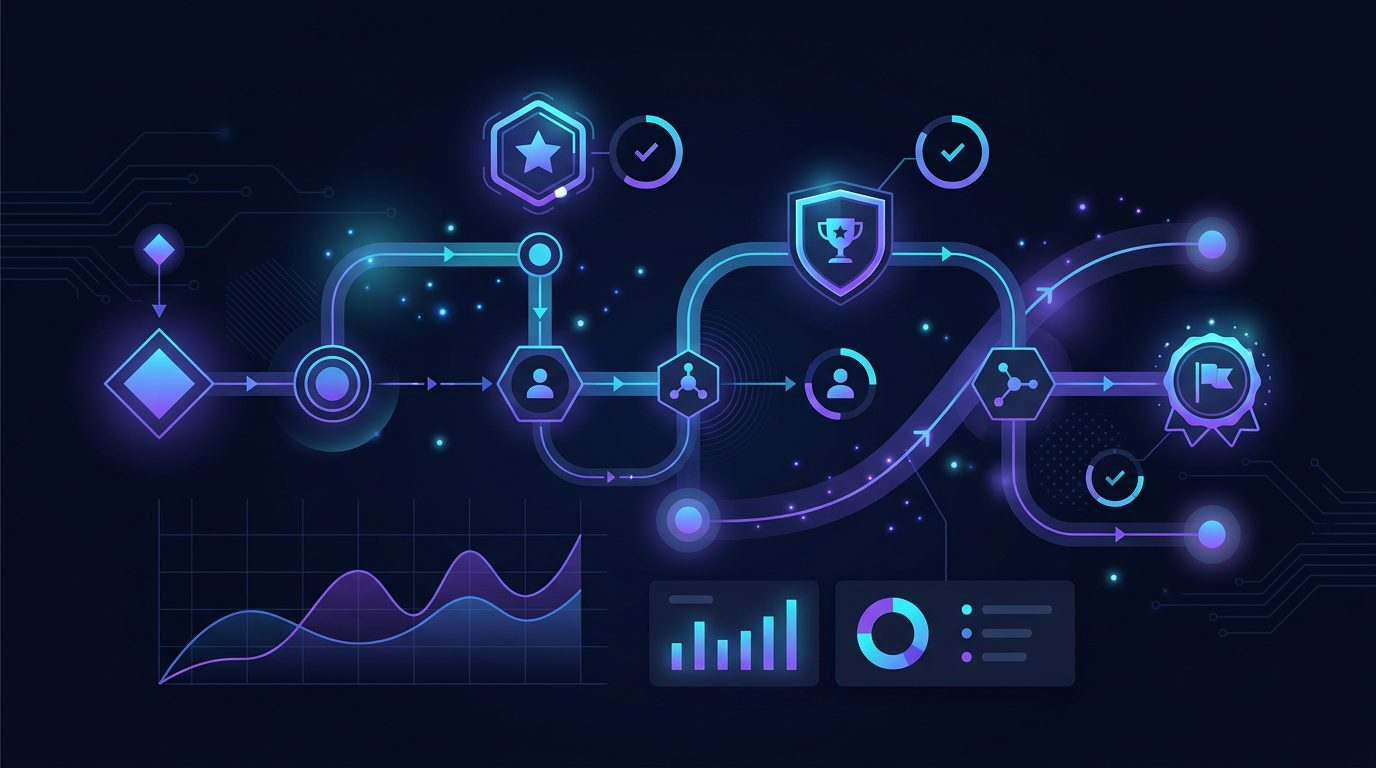
Why Early Activation Prevents Late-Stage SaaS Churn
Most B2B SaaS cancellation requests occur in months three to six, but the underlying root cause almost always traces back to week one. When a new sign-up fails to reach their "Aha!" moment within their first two sessions, account engagement stalls, adoption drops, and the eventual cancellation becomes inevitable.
Instead of relying on reactive exit surveys or automated win-back discount emails, high-growth SaaS engineering and product teams build programmatic, trigger-based in-app onboarding flows. By guiding users step-by-step toward key activation milestones, you build immediate product habits and dramatically increase net revenue retention.
Here is a battle-tested framework for building an automated, in-app activation sequence using modern product analytics and digital adoption platforms.
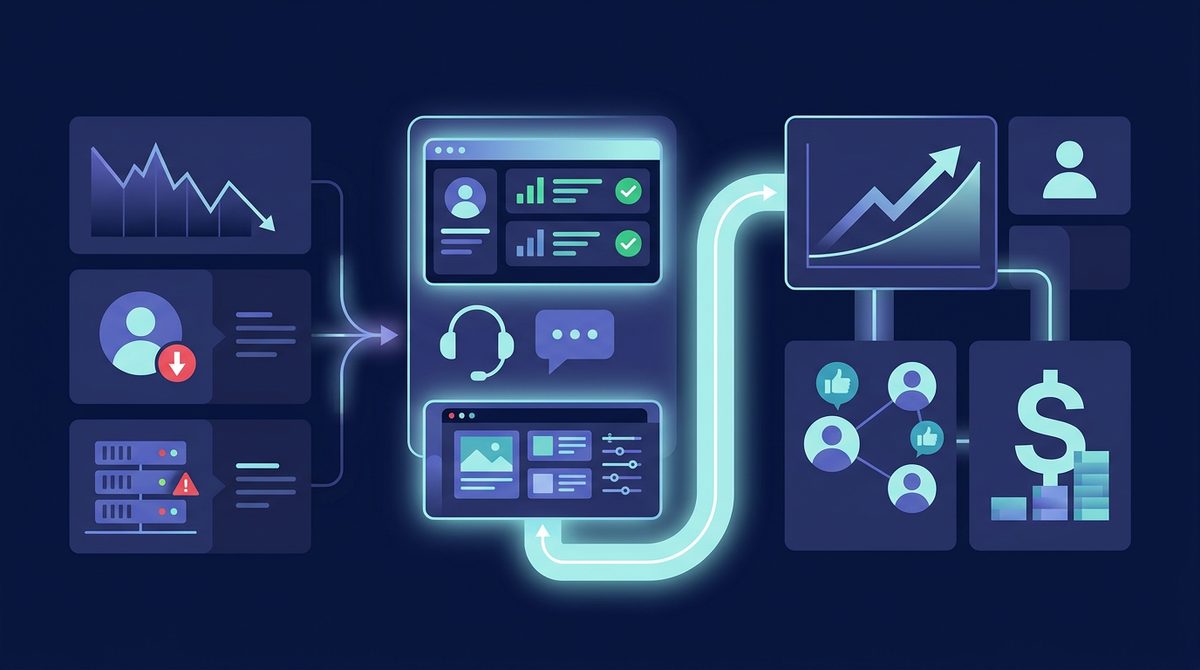
Step 1: Map the Core Activation Metric (The "Aha!" Moment)
Before launching a single tooltip or modal, you must identify the precise user action that correlates directly with long-term retention. Generic setup tasks—such as updating a profile picture or inviting team members—rarely drive true product value.
Analyze your historical data in platforms like Mixpanel or PostHog to isolate user actions completed during the first seven days that result in 90-day retention. Look for threshold metrics rather than passive events.
- Slack: Sending 2,000 team messages within an workspace.
- Dropbox: Adding one file into a shared folder on a desktop or mobile device.
- Formbuilder SaaS: Receiving at least 5 form submissions from a live website.
- Project Management Tool: Creating a project board and moving 3 tasks to "Done".
Step 2: Instrument Event Tracking and User Cohorts
An automated onboarding flow requires real-time telemetry to determine when a user is stuck, when they have completed a step, or when they have gone dormant. You cannot rely on static visual tours that trigger for everyone regardless of actual user progress.
Set up server-side or frontend tracking using Segment or directly inside your product analytics suite. Define distinct custom properties and events that feed directly into your visual onboarding layer (such as Userflow, Appcues, or Frontegg).
| User Event / State | Trigger Criteria | Automated In-App Action |
|---|---|---|
Step 3: Design Minimalist, Contextual In-App Guidance
Linear, 10-step product tours that take over the screen upon first login are actively harmful; users routinely click "Skip All" just to explore the app. Modern SaaS churn reduction tactics rely on contextual visual cues that appear only when relevant to the user's immediate workflow.
Use semi-transparent checklists that reside in the corner of the UI. Allow users to minimize the checklist, but keep progress visible with a dynamic completion bar (e.g., "3 of 5 steps completed").
Implement smart conditional logic: if an advanced user directly completes step 4 out of order, automatically mark step 4 as finished without forcing them through the step 4 tooltip guide.
Mini Case Study: How FlowMetric Reduced 30-Day Churn by 38%
FlowMetric, a B2B analytics platform for ecommerce brands, suffered from a high drop-off rate during trial periods. Their initial setup required users to install a JavaScript snippet and connect their Shopify store store data, resulting in a steep 45% churn rate in the first 14 days.
The team overhauled their user experience by replacing static onboarding emails with a dynamic, in-app orchestration flow using Userflow connected to PostHog analytics.
"By shifting from static email campaigns to real-time, event-driven contextual modals inside the dashboard, we reduced setup friction instantly. If a user didn't connect Shopify within 120 seconds of landing on the dashboard, an interactive preview guided them through the process using mock data first."
The result: First-week feature activation rose from 32% to 68%, and 30-day account cancellation plummeted by 38% within two quarters.
Step 4: Continuous Optimization and Offboarding Analysis
Automating onboarding is an iterative engineering process. Run quarterly A/B tests on onboarding branch pathways using digital adoption platforms, measuring drop-offs at every screen level.
For example, modern platforms like Userflow (approx. $240/month for basic starter tiers) or Appcues (approx. $250/month) allow product managers to experiment with modal copy, branching survey questions, and video tooltips without requesting frontend developer resources. Note: Please verify current pricing details directly on vendor websites as plans change frequently.
Combine your onboarding analytics with automated cancel flows. If a user requests account termination, prompt a dynamic offboard survey that captures structured feedback to feed directly back into your product activation pipeline.
Key Takeaways for SaaS Operators
Reducing SaaS churn is not about locking users into yearly contracts or sending passive email blasts; it is about building scalable, frictionless in-app systems that deliver instant value.
By mapping your core activation metric, connecting product telemetry to contextual onboarding tools, and continuously testing UI interventions, you turn casual sign-ups into long-term active users.
Looking to streamline your stack? Browse the SaaSafi directory to discover top-rated product analytics platforms, digital adoption engines, and user feedback tools to accelerate your growth trajectory.
Related reading on SaaSafi
- #saas churn
- #user onboarding
- #saas growth
- #product analytics
- #retention
Frequently asked questions
What is the fastest way to pinpoint my SaaS activation metric?
Identify the single action or milestone in your app that most strongly correlates with 90-day retention (such as completing setup or generating first output), then optimize your onboarding experience to guide users to that metric within 24-48 hours.
Should I rely on onboarding emails or in-app guidance flows?
While emails help bring inactive users back into the app, real-time in-app guidance intercepts friction instantly while the user is actively working, yielding significantly higher activation and conversion rates.
How do I avoid annoying power users with automated product tours?
Focus on step-by-step checklists, inline tooltips, and contextual micro-modals that appear only when a user hesitates or clicks on specific elements, rather than launching intrusive multi-step tours.
SaaSafi Team
Editorial
Written by the SaaSafi Team — we test and track SaaS tools for founders and operators.
Get the weekly issue
One email a week: new articles, tool teardowns and pricing finds. No spam, unsubscribe anytime.


Comments
No comments yet — start the conversation.