Top Internal Tool Builders in 2026
Discover the top internal tool builders in 2026. Compare Retool, Appsmith, ToolJet, Superblocks, and Budibase for admin portals, CRUD apps, and dashboards.

Building operational infrastructure from scratch eats core engineering cycles that should belong to your customer-facing product. Modern internal tool builders bridge this gap by offering low-code environments to assemble custom admin portals, database GUIs, and support dashboards in hours rather than weeks.
Evaluating Low-Code Builders for Internal Operations
When selecting a platform for internal tooling, engineering leads must balance developer flexibility against deployment speed. The primary operational bottleneck is rarely visual layout; it is securely binding interface components to existing Postgres databases, REST APIs, and third-party SaaS webhooks while maintaining strict Role-Based Access Control (RBAC).
To conduct a rigorous vendor audit, evaluate platforms across three primary capabilities:
- Data Engine & Connectivity: Native, direct connection support for databases (PostgreSQL, MySQL, MongoDB) and API protocols (REST, GraphQL, gRPC) without forcing data replication.
- Security Infrastructure: Granular RBAC, audit logging, SSO support (SAML/Okta), and self-hosting options (Docker/Kubernetes) for compliance.
- Custom Extensibility: The ability to drop into raw JavaScript, TypeScript, or React components when out-of-the-box UI widgets hit architectural limits.
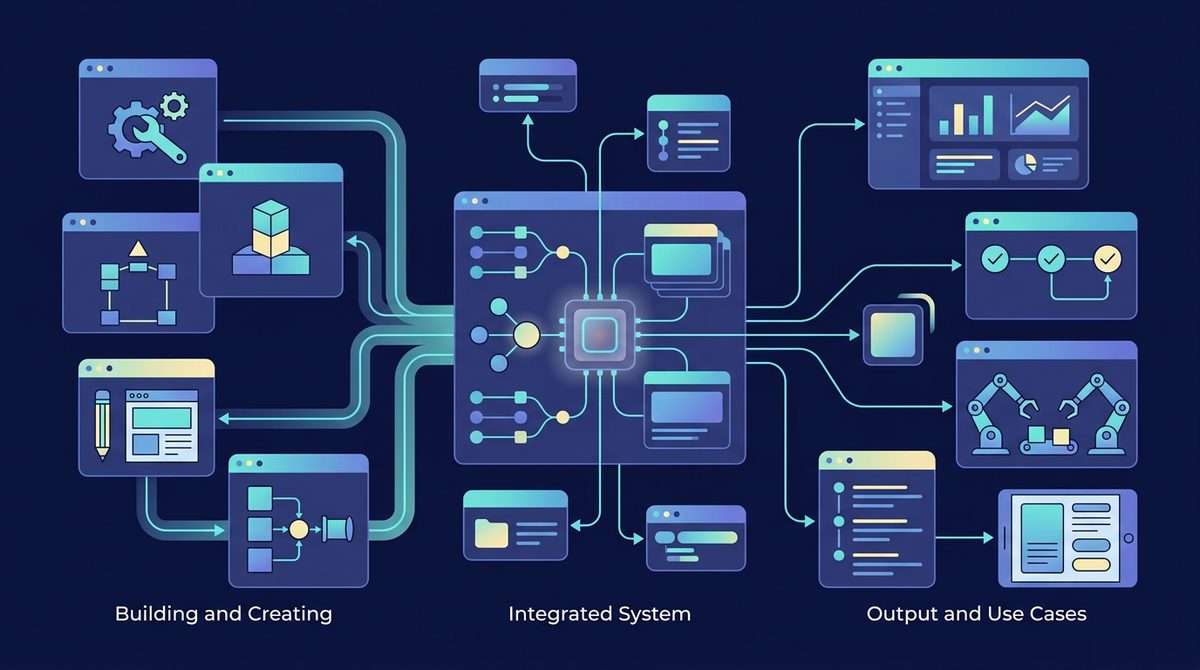
Top Internal Tool Platforms Compared
The low-code operational stack has bifurcated into fully managed cloud environments and open-source, self-hosted alternatives. The table below outlines how the leading engines compare across enterprise deployment requirements.
| Platform | Primary Deployment | Database Direct Querying | Custom JS/Code Support | Approximate Starting Price |
|---|---|---|---|---|
| Retool | Cloud / Self-Hosted | Yes (Native SQL/NoSQL) | Full JavaScript / React | Free tier available; paid from ~$10/user/mo |
| Appsmith | Self-Hosted (Open Source) / Cloud | Yes (Native SQL/NoSQL) | JavaScript within UI binding | Free open-source; enterprise tiers quote-based |
| ToolJet | Self-Hosted (Open Source) / Cloud | Yes (Native SQL/NoSQL) | JavaScript & Python | Free open-source; cloud from ~$8/user/mo |
| Superblocks | Cloud / Hybrid On-Prem agent | Yes (Native SQL/NoSQL) | JavaScript / Python / Shell | Quote-based enterprise tiering |
| Budibase | Self-Hosted / Cloud | Yes + Built-in DB | JavaScript Transformers | Free tier available; paid from ~$5/user/mo |
Note: Pricing, plan features, and usage limits change frequently. Please verify current pricing directly on each vendor's website before making purchasing decisions.
In-Depth Platform Breakdown
1. Retool: The Enterprise Benchmark
Retool remains the standard for fast-growing B2B SaaS companies that require rapid interface assembly on top of complex backend architectures. It features an extensive library of pre-built UI components—from data tables with inline editing to dynamic charts and multi-step forms—coupled with an engine that accepts raw JavaScript expressions anywhere in the workflow.
For engineering teams with strict security compliance standards, Retool provides self-hosted deployment options via Helm charts or Docker containers, along with air-gapped environments and git-sync workflows for version control. It excels when building high-concurrency internal apps, such as risk management panels or multi-tenant database editors.
2. Appsmith: Open-Source Flexibility with Raw JavaScript Binding
Appsmith offers a powerful open-source framework tailored for developers who want full code visibility and zero vendor lock-in regarding operational deployment. Everything in Appsmith—from component properties to API payloads—can be manipulated using standard JavaScript snippets.
Because Appsmith can be spun up in minutes via Docker on a private VPC, it is frequently adopted by fintech, healthcare, and infrastructure startups handling sensitive customer data. Its git-based version control allows teams to trigger pull requests directly from GitHub or GitLab to review internal application code before merging to production.
3. ToolJet: Multi-Language Extensibility and Fast Prototyping
ToolJet stands out by natively supporting both JavaScript and Python within its execution context. This makes it an ideal pick for data engineering and machine learning teams that prefer executing Python scripts directly within the visual interface layer to process or transform payloads.
The platform includes a built-in database (ToolJet DB) based on PostgreSQL, enabling non-technical operators to create internal workflows even before dedicated database tables are provisioned by backend engineers. Its visual workflow engine easily orchestrates background jobs, email triggers, and multi-service webhooks.
4. Superblocks: Enterprise-Grade Backend Workflows and Edge Deployment
Superblocks separates itself by focusing heavily on backend orchestration alongside front-end app building. It allows engineers to construct custom REST or GraphQL APIs, scheduled jobs, and asynchronous queue workers using a visual interface backed by standard code blocks.
Using an on-premise execution agent, Superblocks keeps sensitive customer data within your private cloud architecture while hosting the visual editor in the cloud. This hybrid architecture drastically reduces compliance friction for SOC 2 Type II, HIPAA, and GDPR auditing.
5. Budibase: Speed, Internal Tables, and Lightweight Automation
Budibase prioritizes speed-to-value for teams building simple CRUD applications, portal forms, and lightweight approval workflows. Unlike systems that strictly require pre-existing schemas, Budibase includes a built-in relational database engine for rapidly prototyping app structures from scratch.
It includes automated layout features that dynamically configure forms and grids directly from your data schema. For operations teams that want to turn a CSV import or raw Postgres table into an interactive dashboard without writing boilerplates, Budibase is exceptional.
Implementation Study: Automating Tier-2 Support Escalations
Consider a scaling B2B SaaS platform handling high-volume subscription changes and manual account verifications. Previously, tier-2 customer support operators logged into three disparate dashboards (Stripe, primary Postgres replica, and Third-Party KYC API) while relying on backend engineers to run manual database scripts for account overrides.
Using an open-source internal tool builder (Appsmith self-hosted on a private AWS EC2 instance), a single staff engineer built an all-in-one Customer Operations Workbench in less than eight hours:
- Data Aggregation: A central search input takes a tenant ID and triggers simultaneous queries to the PostgreSQL database for account status and the Stripe REST API for subscription history.
- Safe Database Overrides: A controlled action form allows authorized support leads to extend trial periods or re-send webhooks. Input fields are strictly typed, preventing SQL injection or invalid payload formats.
- Audit Logging: Every write-action triggers a POST request to an internal logging endpoint and posts an audit event into a designated Slack operations channel.
This implementation eliminated manual backend script requests from support teams, saving an estimated 15 engineering hours per week while preventing raw database credentials from circulating among non-developer personnel.
Strategic Takeaways for Operational Infrastructure
Selecting the right internal tool builder comes down to data governance requirements and team skill sets. If you operate in a heavily regulated domain requiring self-hosted infrastructure and granular version control, open-source platforms like Appsmith or self-hosted Retool deployments provide the safest pathway forward. If your goal is to orchestrate complex serverless background logic alongside your UI, Superblocks offers specialized advantages.
Stop wasting senior engineering cycles on repetitive admin tables and manual script executions. Explore evaluated low-code engines, compare developer tools, and discover production-grade platforms by exploring the SaaSafi directory today.
- #internal tool builders
- #no-code
- #low-code
- #retool
- #developer tools
Frequently asked questions
What is an internal tool builder?
Internal tool builders are low-code/no-code platforms designed specifically for developers and operations teams to quickly construct admin panels, CRUD apps, support dashboards, and workflow automation apps on top of existing databases and APIs.
Can developers write custom code inside internal tool builders?
Most low-code internal tool builders (such as Retool and Appsmith) support direct SQL queries, custom JavaScript transformers, CSS customization, and full custom React component embedding. They allow developers to write raw code whenever UI drag-and-drop options reach operational limits.
Are low-code internal tool builders safe for enterprise data compliance?
Yes. Enterprise platforms like Retool, Appsmith, and ToolJet offer self-hosted deployment models via Docker containers or Kubernetes Helm charts, allowing teams to keep data securely within their private cloud (AWS, GCP, Azure) or air-gapped network.
SaaSafi Team
Editorial
Written by the SaaSafi Team — we test and track SaaS tools for founders and operators.
Get the weekly issue
One email a week: new articles, tool teardowns and pricing finds. No spam, unsubscribe anytime.


Comments
No comments yet — start the conversation.